Why the Sky Brightens Before the Sun Appears
Why the sky brightens before sunrise: understand how twilight light reaches you and distinguish a glowing horizon from the Sun’s visible edge.
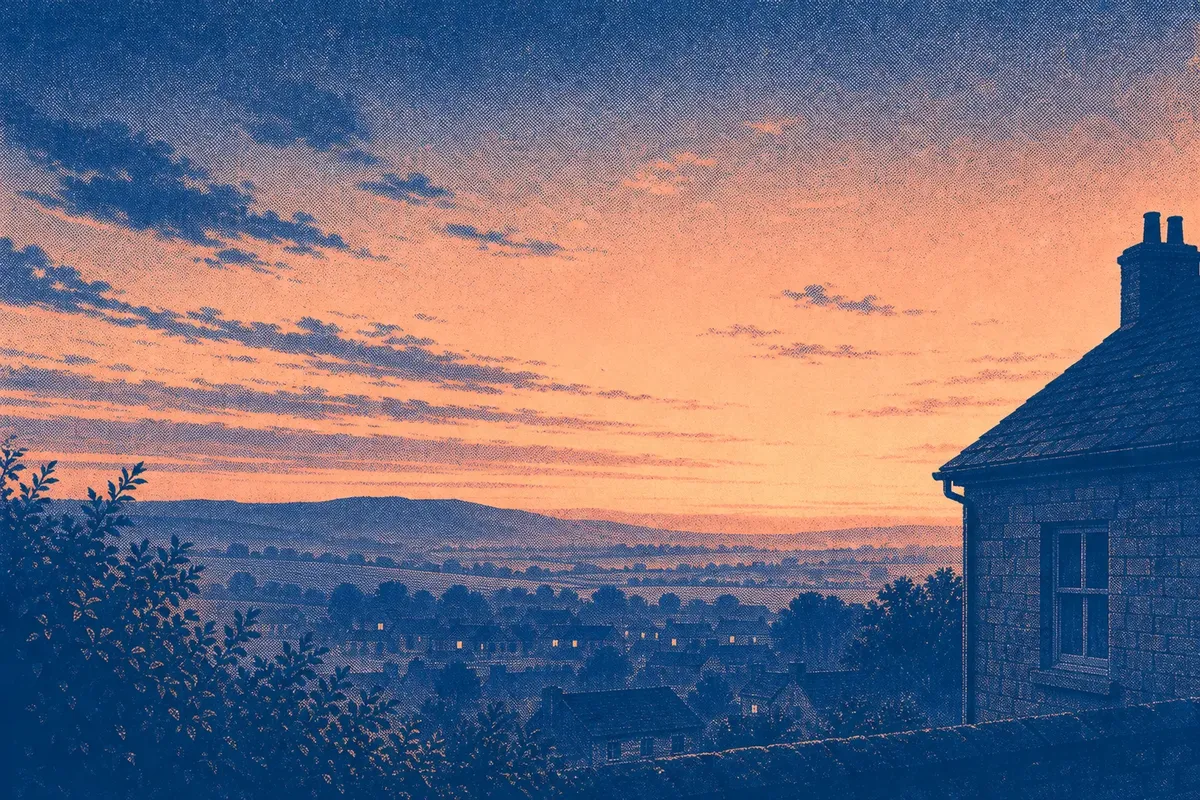
The sky can brighten before sunrise because sunlight reaches the atmosphere while the Sun is still below your horizon. In this early twilight, scattered sunlight makes the sky glow even though the solar disk remains hidden. Distinguishing that glow from the visible Sun helps you describe what you see accurately.
Describe the light by what you can see
Start with the sky, landscape, and horizon. A brightening sky alone does not mean the Sun has risen: sunlight can reach higher layers of the atmosphere before direct sunlight reaches your location.
- The sky is faintly lighter, but the landscape remains dark: This fits early twilight. If the horizon is hard to see, describe the sky as faintly brightening rather than naming a stage based on appearance alone.
- A glow forms near the horizon and outlines become easier to pick out: Twilight is becoming more noticeable. If you can identify the stage using a reliable local time or astronomical source, name it; otherwise, describe the visible glow.
- The eastern sky is bright, but the solar disk is hidden: The Sun may still be below your horizon, or a hill, building, trees, cloud, or haze may block it. If the horizon is obstructed, note that limitation rather than treating the blocked view as proof that sunrise has not occurred.
- You see the Sun’s upper edge appear at the horizon: This is sunrise by the usual observational definition. If an obstacle hides the horizon, do not claim to have observed the disk crossing it.
- The sky brightens in a direction other than the one you expected: Check your viewing direction and nearby obstructions. If clouds or terrain conceal the horizon, describe the changing light without inferring the Sun’s position from color alone.
These are practical descriptions, not clock rules. Twilight timing varies with location, date, and the convention used to define each stage, while local terrain changes what you can see.
Scattered sunlight reaches the sky before the Sun appears
Sunlight travels through space and enters Earth’s atmosphere. Air molecules and tiny particles scatter some of that light, sending it in different directions. When the Sun is below your horizon, its rays can still reach higher layers of air beyond the horizon.
Some of that scattered light travels toward your eyes, making the sky luminous before the Sun itself appears. It is sunlight, but it has reached you after interacting with the atmosphere rather than as an unobstructed view of the solar disk.
Earth’s curvature accounts for the difference in visibility: your horizon blocks a direct view of the Sun while air at higher altitude remains exposed to sunlight. As the Sun approaches the horizon, the portion of the atmosphere illuminated from your perspective changes, and twilight gradually brightens.
A partly open door offers a limited analogy: you may see light on a hallway wall without seeing the lamp itself. The atmosphere is not a room or a doorway; instead, its layers scatter sunlight toward an observer while Earth’s curvature keeps the Sun below the visible horizon.
Recognize the three stages of twilight
Astronomers divide twilight into astronomical, nautical, and civil stages according to how far the Sun is below the horizon. The labels describe parts of a continuous transition, not separate flashes or fixed colors.
- Astronomical twilight: The Sun is farthest below the horizon among the three stages. The sky may still look dark, although scattered sunlight is beginning to affect it.
- Nautical twilight: The Sun is closer to the horizon, and a more noticeable band of light may appear while much of the sky remains dark.
- Civil twilight: The Sun is nearest the horizon while still below it. Ambient light can make more of the surroundings visible before the solar disk appears.
The stages occur in reverse after sunset as the Sun moves farther below the horizon and the sky darkens. Their names can help with planning or description, but the transition is gradual and local surroundings affect what an observer notices.
Clouds, mountains, trees, and buildings can hide the horizon or soften the contrast between sky and land. Someone on an open coast may see the Sun’s edge while someone inland has a ridge in the way; each person should describe the view from their own location.
Choose a description that matches your view
If you need to distinguish twilight from sunrise, reserve “sunrise” for the Sun’s disk reaching the horizon and use “twilight” or “pre-sunrise light” for the earlier glow. This wording works well in an observation log or photograph caption.
If your horizon is blocked, describe what you can see instead of claiming the Sun has not risen. A ridge or building can conceal the disk, so note the obstruction and the direction of the view.
If you compare two mornings, keep your viewing direction and horizon in mind. Clouds, haze, and a change in where you stand can make the same broad phase appear more vivid or subdued. Color and brightness alone do not provide a precise sunrise time.
If you are deciding when to go outside for daylight, consider the light where you will be. Twilight may make an open landscape visible while a shaded street or valley remains dim; the Sun’s visibility from your spot is only one part of what you can observe.
Say you stand beside a house with a low eastern roofline, and the sky begins to lighten while the roof hides the horizon. You note the direction, the blocked view, and the glow without claiming to have seen sunrise; the result is an observation that distinguishes atmospheric light from a visible solar disk.
What should you look for before sunrise?
Why can the sky be bright while the Sun is hidden?
Air above the horizon can receive sunlight and scatter some of it toward you while Earth blocks your direct view of the Sun. Clouds or nearby terrain may also hide the disk, even as the sky brightens.
Does dawn begin when the Sun appears?
No. Dawn commonly refers to the gradual transition from night toward sunrise, including twilight. Sunrise more specifically describes the Sun’s apparent arrival at the horizon.
Which twilight stage comes just before sunrise?
Civil twilight is the final named stage before sunrise in the standard sequence. Its timing depends on location and date, and an obstruction may keep you from seeing the Sun at the horizon.
Why does the light seem to arrive earlier on some mornings?
Clouds, haze, landscape, and viewing direction can change when and how strongly you notice the glow. Location and seasonal changes in sunrise timing also affect when twilight occurs.
Tell a glowing horizon from a visible Sun
A bright eastern band shows that the atmosphere is receiving and scattering sunlight; it does not establish that the Sun’s disk has crossed your horizon. Record whether you saw a glow, recognizable twilight conditions, or the disk itself, and mention an obstruction when it affects the view.
This distinction explains why the sky brightens before sunrise: sunlight scattered by the atmosphere reaches your eyes while the Sun remains hidden below the horizon. When describing the dawn, the most useful detail is whether you saw the light in the sky or the Sun’s edge at the horizon.
Stay with the subject

Birdsong or City Hum: Two Ways to Notice an Early Soundscape
Learn to distinguish birdsong from city hum at dawn by noticing pitch, rhythm, and masking, so…

From Cockcrow to Alarm Clock: How Morning Signals Changed
Cockcrow to alarm clock explains how animal calls, public signals, and personal alarms marked morning—and how…